Cleaning up after a flood in Atascocita
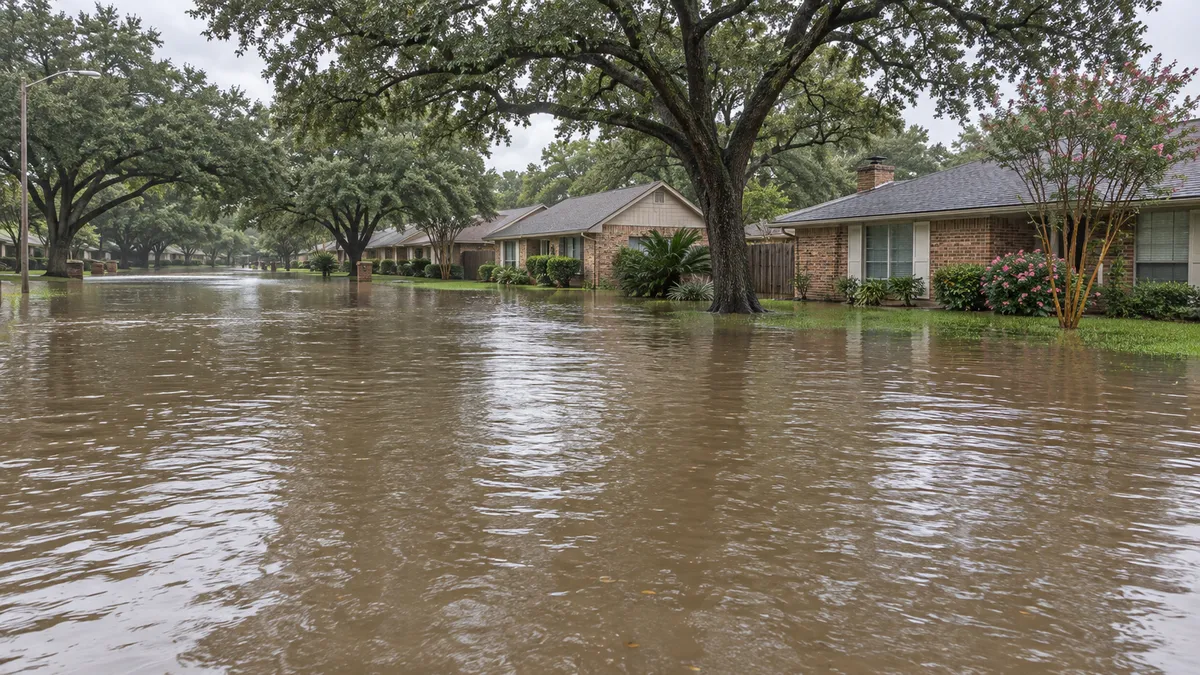
Flood cleanup in Atascocita starts with getting the water and mud out and deciding what can be saved. The EPA flood cleanup guide recommends professional help when sewage may be involved[EPA flood cleanup guide], and floodwater around Houston often runs through streets and drainage ditches before it reaches a house.
Do not wait for things to dry on their own; FEMA warns that delay lets damage spread[FEMA]. Wear boots, gloves and eye protection while cleaning, as the CDC advises[CDC].
Step by step
- Safety first. Power off to flooded areas; no wet electrical work[CDC].
- Muck out. Water and mud removed, debris bagged.
- Strip. Wet drywall, insulation and flooring removed[FEMA].
- Clean and dry. Surfaces cleaned and dried to readings.
Avoid
- Running gas-powered equipment indoors[CDC].
- Leaving wet drywall in place to “see if it dries.”
The water damage restoration process in Atascocita
Water damage restoration is more than pulling up wet carpet. A typical job in Atascocita moves through six stages, and skipping one is how hidden moisture gets left behind.
- Inspection and moisture mapping. Moisture meters and thermal cameras trace water under flooring, inside walls and in ceilings, and the crew confirms the source is stopped.
- Water removal. Standing water comes out first, with pumps for deep water and extraction wands for carpet and tile, so drying equipment is not fighting a puddle.
- Removal of what cannot dry. Materials that will not dry in time are cut out. The EPA flood guide draws the line at 24 to 48 hours: if a wet material cannot be cleaned and dried by then, it is tossed[EPA flood cleanup guide].
- Structural drying. Dehumidifiers and air movers run in a closed space, and the goal is relative humidity under 60 percent, ideally 30 to 50 percent[EPA].
- Cleaning. Surfaces touched by contaminated water are cleaned and disinfected. The CDC says to throw away items that cannot be disinfected, such as wall coverings, cloth, rugs and drywall[CDC].
- Final readings. Drying is finished when the readings say so, not when the surface feels dry. Ask for the daily log.
Water categories and why they change the job
Restoration companies sort water by how contaminated it is, using the IICRC categories. Category 1 comes from a clean source such as a supply line or faucet. Category 3 is grossly contaminated: sewage, waste line backflows from beyond a trap, seawater, rising rivers or streams, and contaminated wind-driven rain[IICRC 2026 position statement]. Category 2 falls between the two.
The category decides the order of work. Category 1 drying can start right away without contamination controls, while Category 2 and 3 losses get cleaned up under contamination controls before drying begins[IICRC 2026 position statement]. Rising creek and bayou water in Atascocita counts as Category 3, which is why flooded drywall and carpet usually come out instead of being dried in place.
A clean leak does not stay clean forever. Time and temperature can change the category[IICRC 2026 position statement], and Gulf Coast heat speeds that up.
What can be saved and what usually goes
Two questions decide it: was the water clean, and how fast can the item dry? Wet materials that cannot be cleaned and dried within 24 to 48 hours should be thrown out, according to the EPA[EPA flood cleanup guide]. With floodwater, the CDC says to throw away items that cannot be disinfected, like wall coverings, cloth, rugs and drywall[CDC].
With clean water caught early, the EPA notes that wallboard, fiberglass insulation and wall-to-wall carpet may sometimes be dried and saved, though replacing them can avoid indoor air problems later[EPA flood cleanup guide].
Take photos and video of damaged items before they are removed[FEMA].
Frozen and burst pipes
Gulf Coast homes are not built for long freezes. When temperatures hit 13°F in Houston in February 2021[NWS Houston/Galveston], pipes in attics, garages and outside walls burst as they thawed.
A frozen pipe often does not leak until it thaws. Know where your main shut-off is before a freeze, and if a pipe splits, close the main first and then call. Water from a burst supply line starts as Category 1, so fast extraction and drying can save more of the house.
Common causes of water damage in Atascocita homes
- Supply lines. Braided and plastic supply lines under sinks and toilets fail at the connection. A failed line can run at full pressure until the valve is closed.
- Water heaters. When the tank or fittings leak, water spreads across the slab from the garage, closet or utility room.
- Washers. Old rubber hoses split, and a washer drain that backs up puts dirty water on the floor.
- Air conditioning. Condensate lines clog and drain pans overflow, especially in long cooling seasons.
- Kitchen appliances. Ice maker lines and dishwasher hoses leak out of sight under the cabinets.
- Weather. Heavy rain, roof leaks and street flooding. Wind-driven rain that is contaminated counts as Category 3 water[IICRC 2026 position statement].
Knowing the source tells the crew what category the water is and where to look for spread.
Flood cleanup and Atascocita homes
During Hurricane Harvey, the National Weather Service logged 32.19 inches of rain at the 3.90 S Kingwood gauge between August 25 and 31, 2017[NWS Houston/Galveston].
Any address in Atascocita can be checked against the FEMA flood map[FEMA Flood Map Service Center]. Harris County homeowners can also use the Flood Control District’s Flood Education Mapping Tool, which shows mapped floodplains relative to homes[Harris County Flood Education Mapping Tool].
More in Atascocita
- Emergency water removal in Atascocita
- Water extraction in Atascocita
- Water mitigation in Atascocita
- Water damage cleanup in Atascocita
- Flood restoration in Atascocita
- Sewage cleanup in Atascocita
- Burst pipe water damage in Atascocita
- Crawl space water removal in Atascocita
- Water damage restoration in Atascocita
Flood cleanup nearby
General guide: flood cleanup explained.